
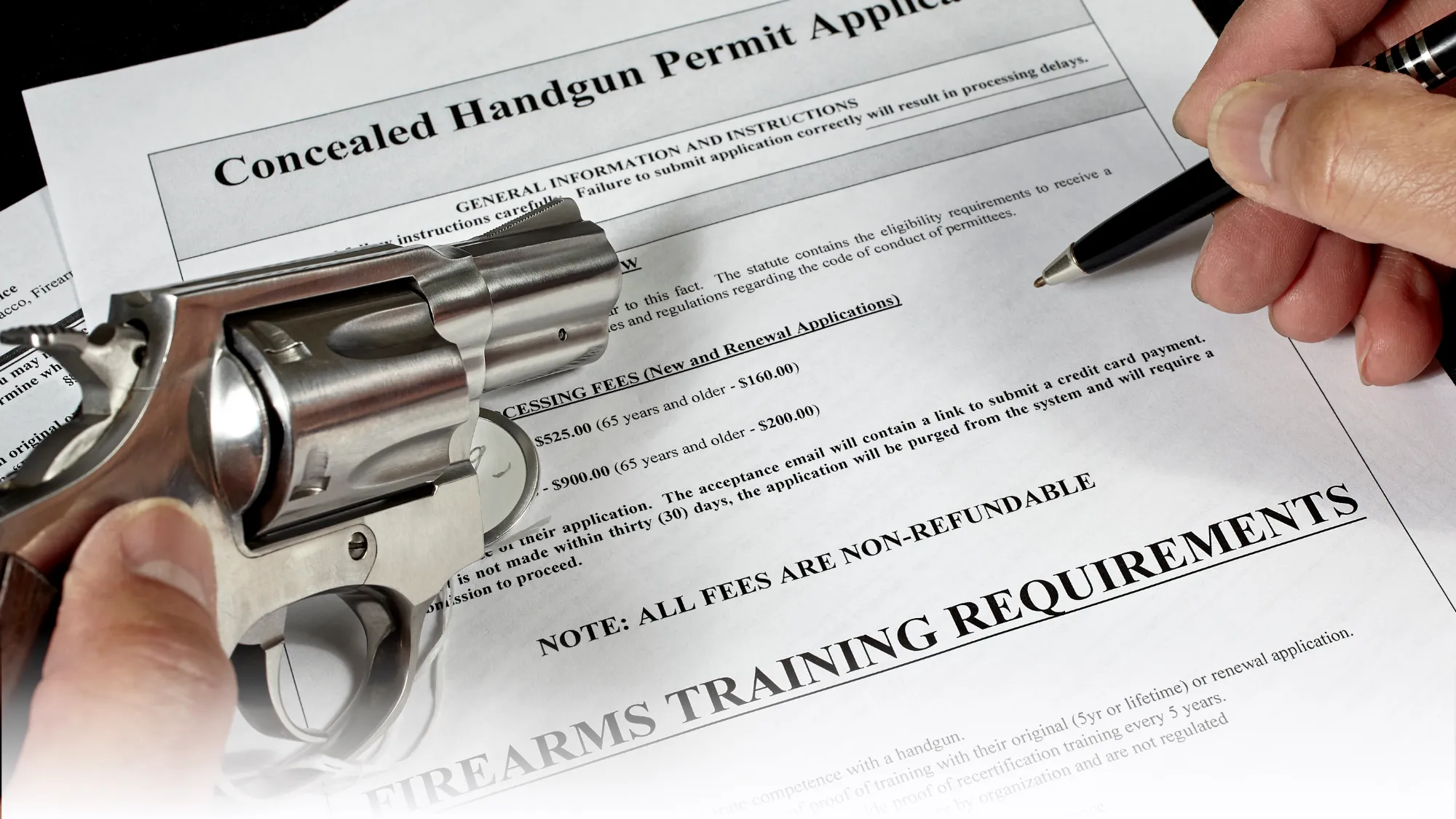
A firearm dealer’s responsibilities extend beyond answering customer questions. Federal licensing, transaction records, background-check procedures, and state requirements help establish accountability for lawful firearm transfers.
For anyone researching a licensed firearm dealer in Florida, understanding those responsibilities can clarify what happens behind the counter. Jimmy’s Guns has served Fort Walton Beach since 1952 and identifies itself as a federally licensed firearms dealer.
What Does Federal Licensing Require?
Businesses engaged in dealing firearms generally must hold an appropriate Federal Firearms License, or FFL, issued by the Bureau of Alcohol, Tobacco, Firearms and Explosives.
Licensees must meet federal eligibility requirements, maintain required records, and follow applicable transfer and inspection rules. An FFL is not a guarantee that every transaction can proceed; eligibility and the circumstances of each transfer still matter.
Jimmy’s Guns’ article on choosing a licensed firearms dealer explains why buyers should look for clear policies and reliable information.
How Are Firearm Records Maintained?
Federal rules require dealers to document firearm acquisitions and dispositions. These records identify firearms entering and leaving the business and support traceability when authorities make lawful inquiries.
ATF also generally requires Form 4473 for covered transfers to nonlicensed individuals. It records purchaser information, relevant transaction details, and background-check outcomes.
Important recordkeeping responsibilities include:
- Maintaining accurate acquisition and disposition information.
- Completing applicable transaction documentation.
- Recording and retaining required background-check details.
- Reporting certain incidents or transactions when federal law requires it.
- Preserving records for the periods specified by current regulations.
The ATF currently requires covered Forms 4473 to be retained until the licensed business or activity ends. Retention and filing rules depend on the type of record.
How Do Florida Background Checks Work?
Florida’s Department of Law Enforcement administers its Firearm Purchase Program for most dealer background checks. A prospective purchaser provides required identification and completes applicable paperwork before the dealer requests the check.
The agency may return an approval, nonapproval, or pending decision. Dealers cannot treat a pending result as automatic authorization to transfer a firearm.
Florida also generally imposes a three-day waiting period, excluding weekends and state holidays, with specific exemptions. Local rules and transaction circumstances can affect timing.
Jimmy’s Guns also describes the process for online firearm transfers, including coordination with a receiving FFL.
What Safety Practices Matter in a Store?
Dealers must maintain lawful operations and reduce opportunities for unauthorized access. Store security measures, employee training, inventory controls, and secure handling practices support those goals, although the precise legal requirements depend on the circumstances.
Customers can ask how a store communicates its policies and where to find reliable information about safe storage. Jimmy’s Guns publishes answers to common safety questions and offers guidance on responsible handling.
When evaluating a licensed firearm dealer in Florida, customers should expect clear explanations of required paperwork, possible delays, and why transfer rules cannot be bypassed.
Its company information provides additional background on the long-established Fort Walton Beach business.
Frequently Asked Questions
What is an FFL and why is it important?
An FFL is a federal license authorizing specified firearms-business activities, subject to ongoing legal requirements.
How often should background checks be conducted?
Covered dealer transfers generally require a background check for each transaction, subject to applicable exceptions.
What specific records must licensed dealers maintain?
Dealers maintain acquisition and disposition records, applicable Forms 4473, and other required reports and documentation.
Are there any specific state laws exclusive to Florida?
Yes. Florida has state-administered background checks, age rules, and generally applicable waiting-period requirements with exemptions.
Ask Jimmy’s Guns About Store Policies
Understanding the duties of a licensed firearm dealer in Florida helps customers recognize why documentation and eligibility checks matter. Contact Jimmy’s Guns at 22 Eglin Parkway SE, Fort Walton Beach, or call 850-244-5184 for questions about the store’s policies.


